


Item 1 of 1
1 / 1

Awehome
Consultant will contact you later
Pure experience, it would have been better to know before coming to Australia. 🥺
☑️ Blue-collar workers earn much higher wages than white-collar workers, and locals prioritize their quality of life, so many things require your personal involvement.
☑️ Brand new books are very expensive, costing over 100 AUD each. It's more cost-effective to buy used books.
☑️ Discounts are significant, and prices are not inflated before offering discounts. Skincare products and clothes are especially worthwhile during 50% off sales.
☑️ Never engage in selling counterfeit goods in Australia, as the consequences are severe if caught.
☑️ When visiting the beach, avoid disturbing small marine creatures.
☑️ Sun protection is essential as the UV rays here are very intense.
☑️ There are numerous scam calls and messages in Australia, so never trust them or click on random links in messages.
☑️ Taxis in Australia are quite expensive, often costing tens of dollars per ride. Public transportation is not as convenient as in our home country, so if possible, consider buying a used car for commuting, as they are affordable and provide convenience.
☑️ Avoid carrying large amounts of cash as it is easily stolen and inconvenient. Mobile payment options like "Pay" are very convenient.
☑️ Australian currency is made of plastic and won't deform no matter how much you crumple or wash it.
☑️ Vegetables and seasonings (such as onions, ginger, and garlic) can be quite expensive, while meat is relatively cheaper. Ginger can cost 35 AUD, while a large box of chicken thighs is only 5 AUD.
☑️ Kangaroos, the national treasure of Australia, can be consumed, and kangaroo meat can be purchased at supermarkets.
☑️ Signal the bus to stop when it arrives; otherwise, it will continue driving past.
☑️ Buses in Australia do not announce the stops, so use a map app to track the bus route in real-time.
☑️ Milk is cheaper than water in Australia; a bottle of water can cost ten AUD.
#Life as an international student in Australia# My life in Australia# Australia# Living in Australia# Studying abroad in Australia# Things about studying abroad in Australia
2023-08-15 12:25:01
Recommended note
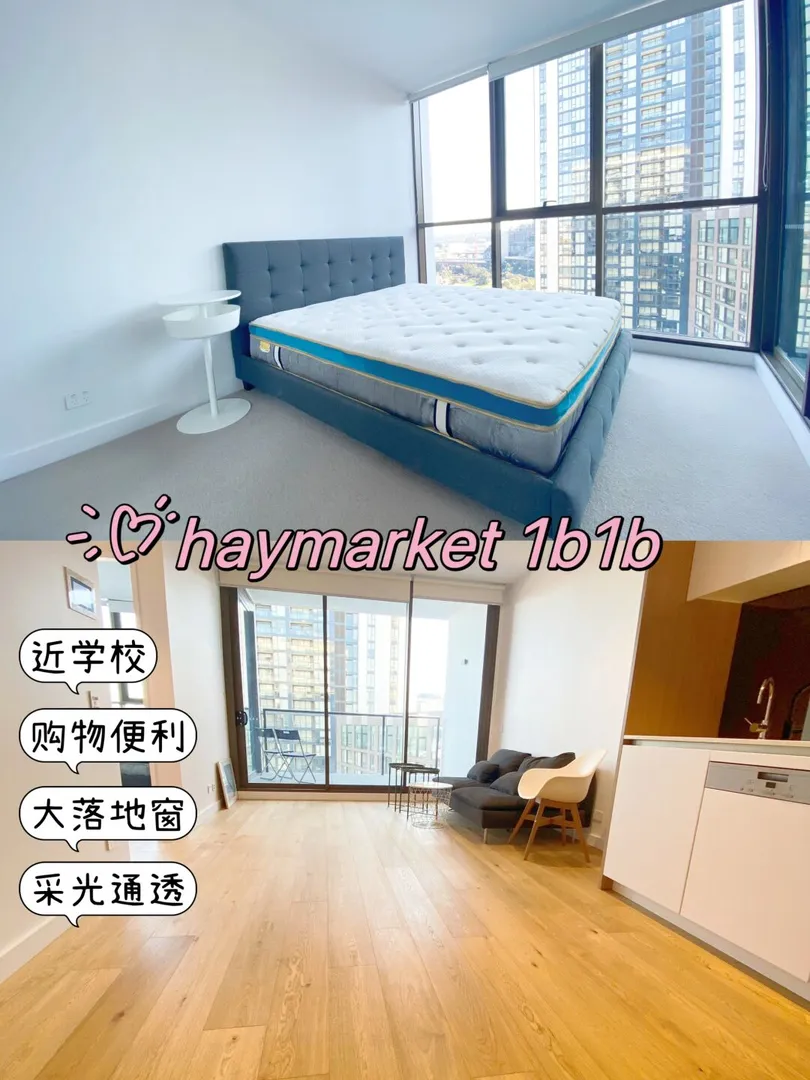
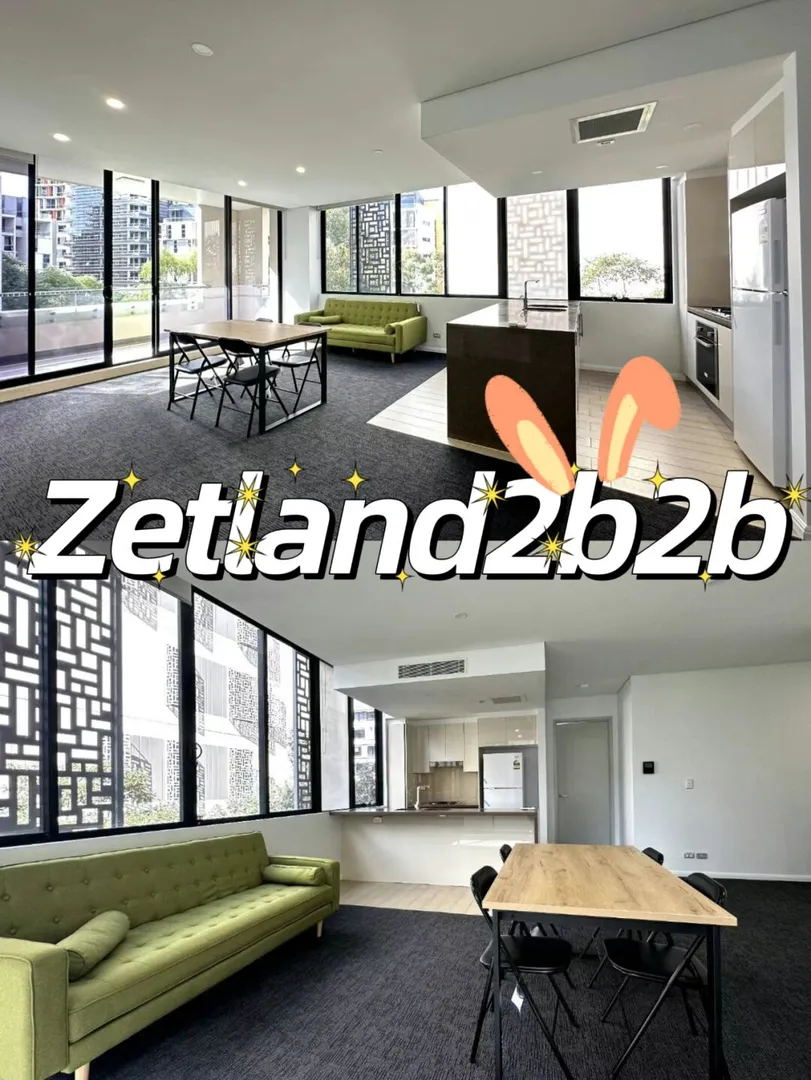
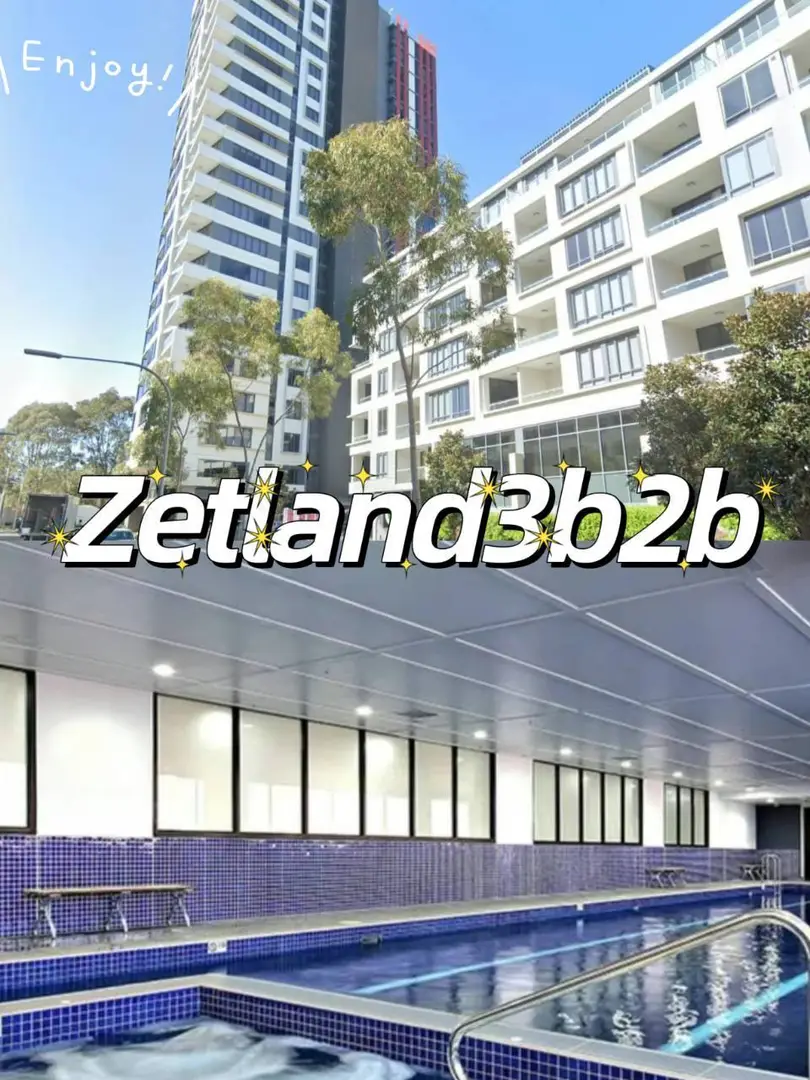
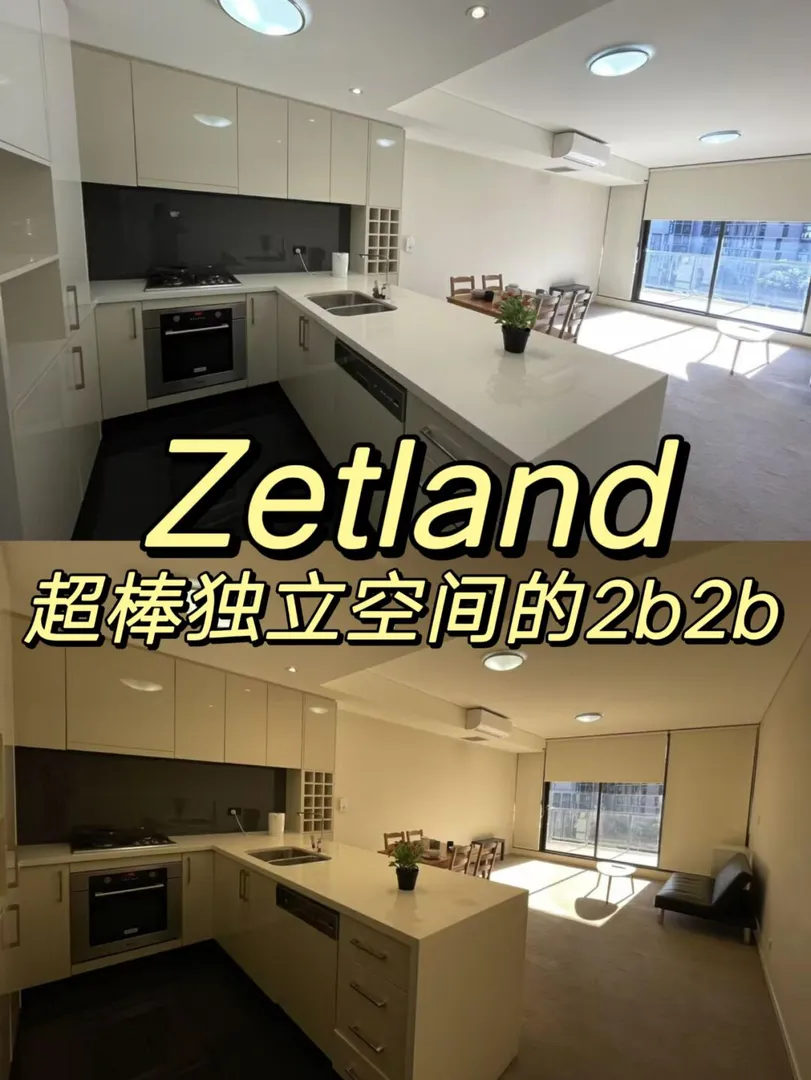
Item 1 of 8
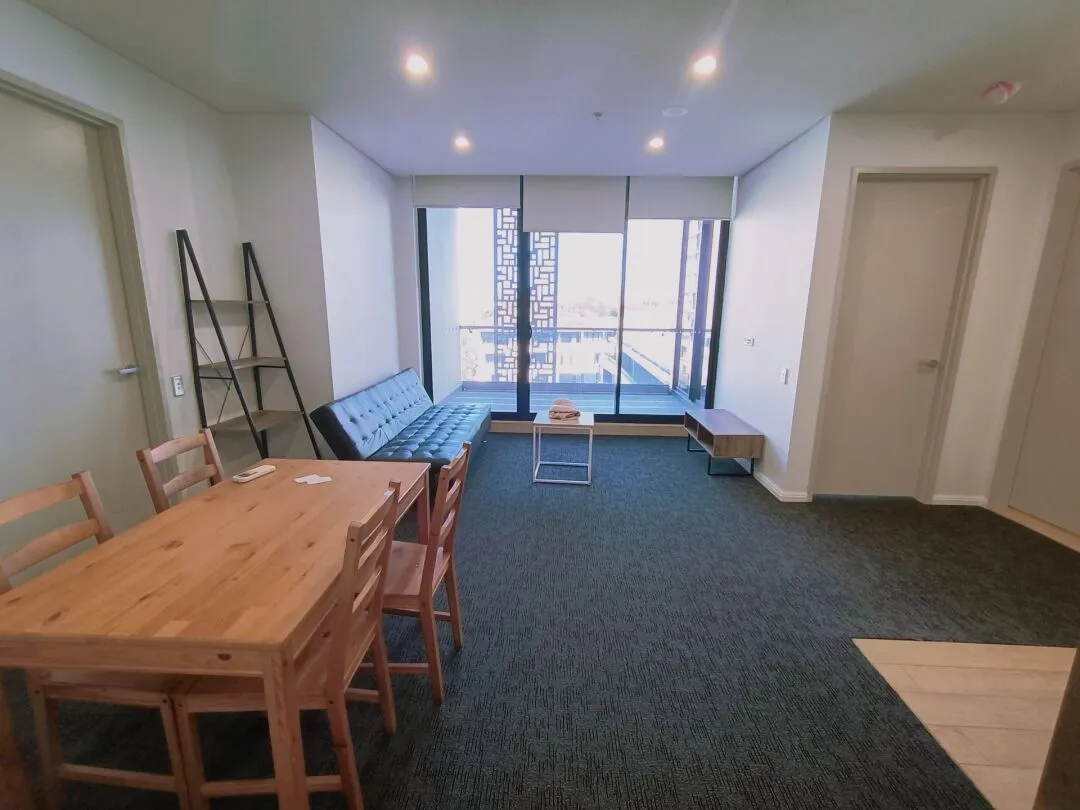
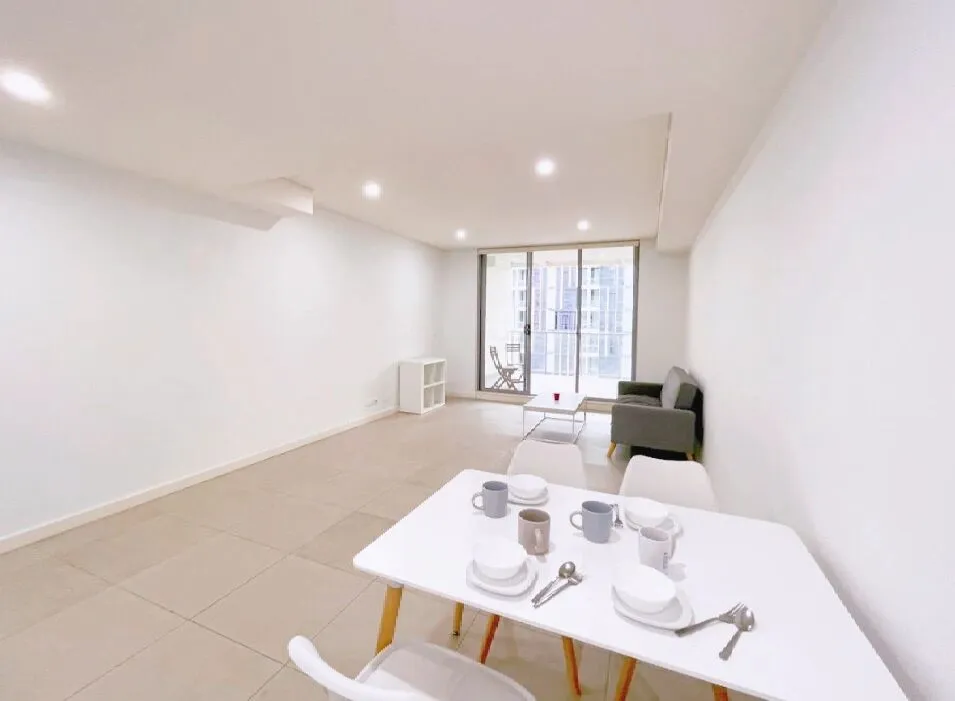
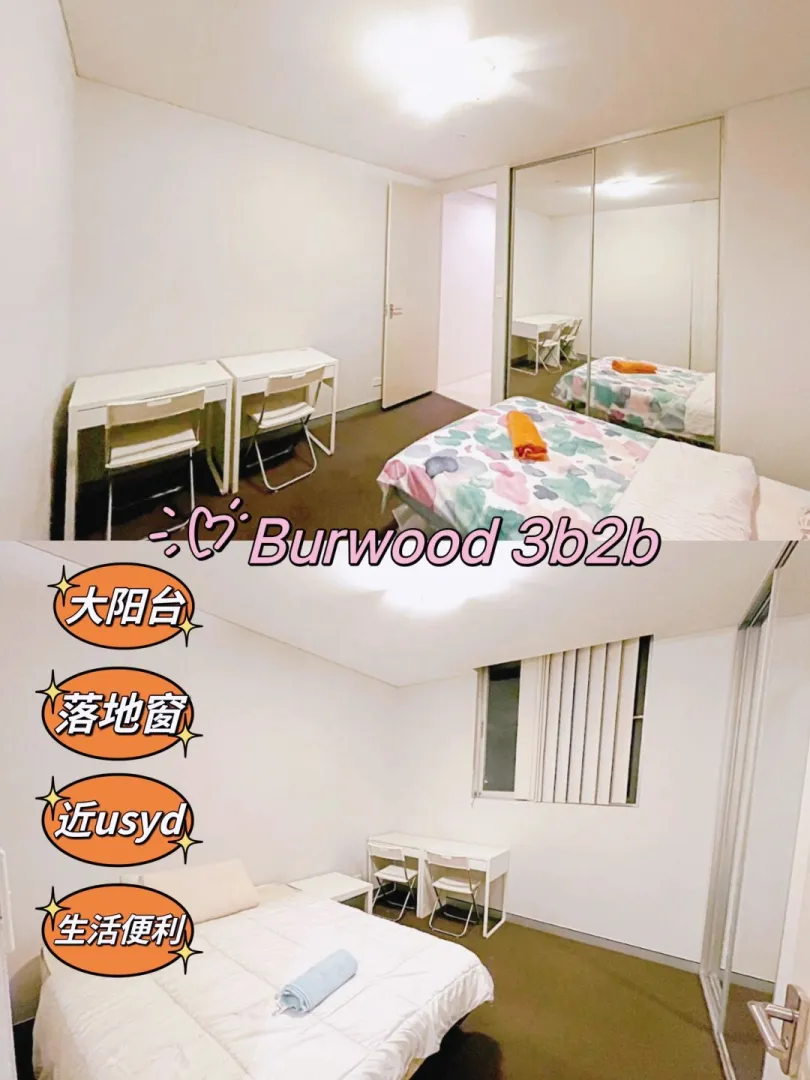
Recommended housing


AU$639From /week

AU$587From /week

AU$689From /week
AU$699From /week
AU$459From /week
AU$699From /week
AU$559From /week
AU$719From /week


Payment methods


 WhatsApp
  WeChat
  +44 07421148173
  info@awehome.com
 © 2026 Awehome, Inc. All rights reserved.

