






Item 1 of 7
1 / 7

Awehome
Consultant will contact you later
Choosing accommodation for different purposes like studying, working, or traveling in the UK—how exactly should one go about it?
Many students who have received offers from Dream Schools are already starting to prepare to find accommodation in the UK. April every year is the peak period for British students to secure housing. Today, Tara is here to summarize the rental strategy for studying abroad in the UK, making it easier for everyone to have a comprehensive understanding of the entire process.
**1. Types of Accommodation in the UK:**
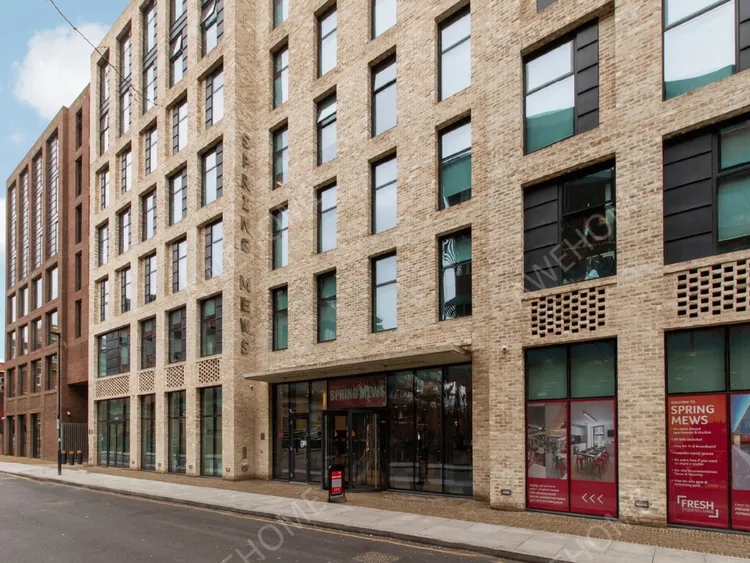
1. **Purpose-Built Student Accommodation (PBSA):** These student apartments, commonly known as PBSA, offer high-quality living experiences with modern designs and upscale amenities tailored for students. They are favored by international students and are a preferred option for university accommodation, albeit at a higher price.
2. **Private Landlords:** Rent and facilities vary significantly with private landlords, but they generally lack the safety and convenience of university dormitories and student apartments.
**2. Issues with Rental Types and Layouts:**
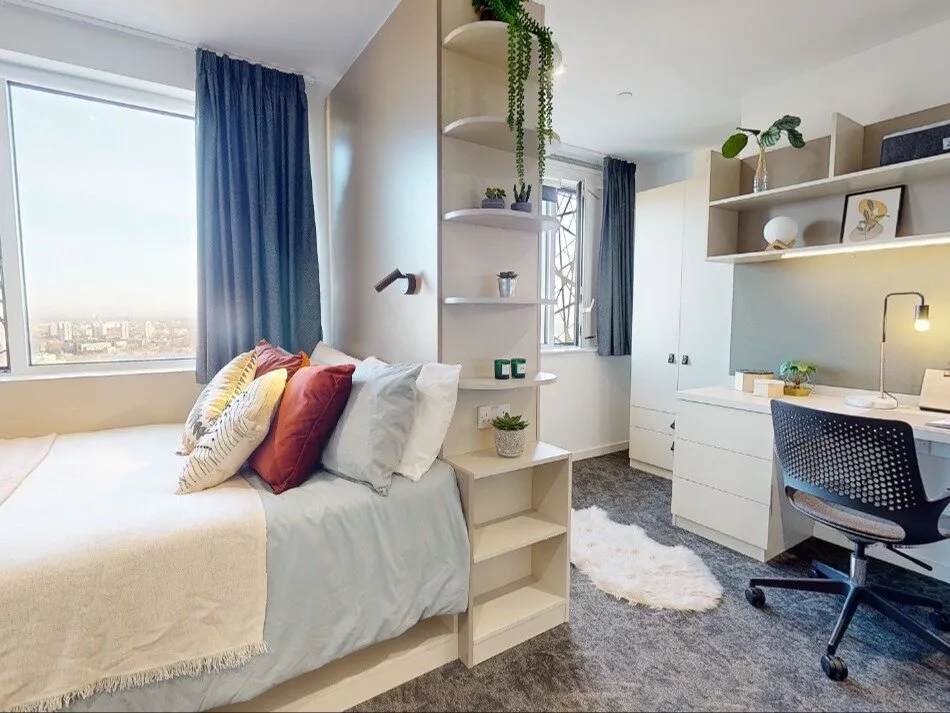
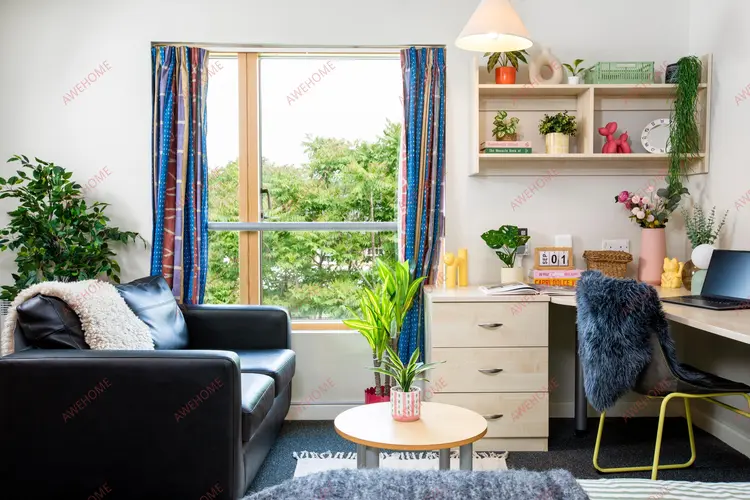
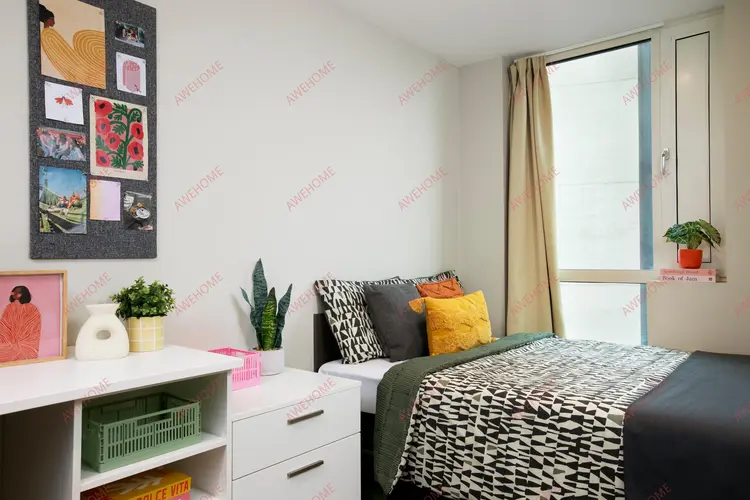
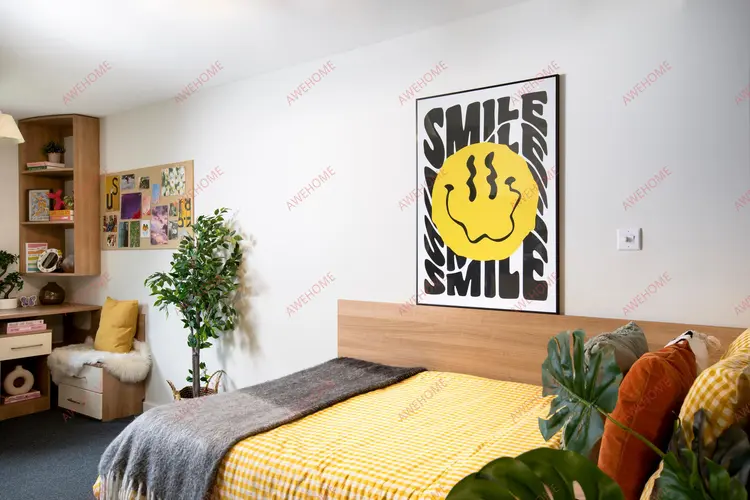
1. **Ensuite:** Ensuite is the most common type of room, chosen by most international students. It includes bills and features a private bathroom with shared kitchen, refrigerator, and dining area. The room itself may be small, but it's sufficient for one person. Sharing with four to six people varies. Tara's tip: When applying for an ensuite, it's best to specify living with Chinese or Asian roommates to avoid potential issues like dealing with roommates who don't wash dishes, or love to party excessively. Prices range from £100 to £160 per week, but in big cities like London, prices tend to be higher.
*Advantages:* Private bathroom, affordable price.
*Disadvantages:* Some room types require using the laundry room in the building, with washing costing £3 per load and drying costing £2-£4 per load.
2. **Shared Bathroom:** Shared bathrooms and kitchens, accommodating four to eight people, with at least two shared bathrooms. Prices are cheaper, ranging from around £280 to £460 per week in London.
*Advantages:* Lower price.
*Disadvantages:* Morning rush for bathroom use.
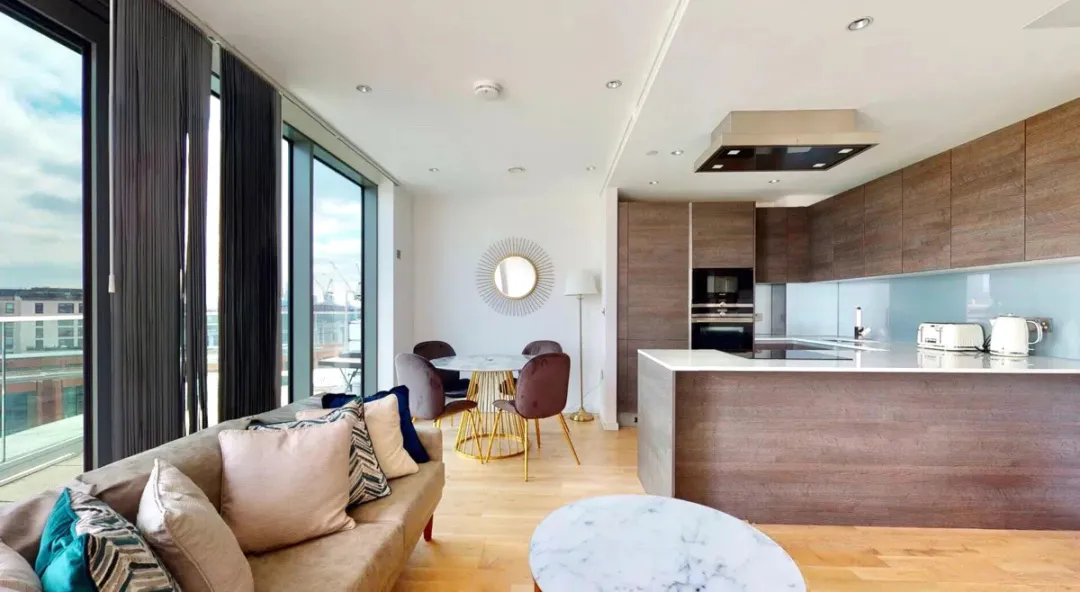
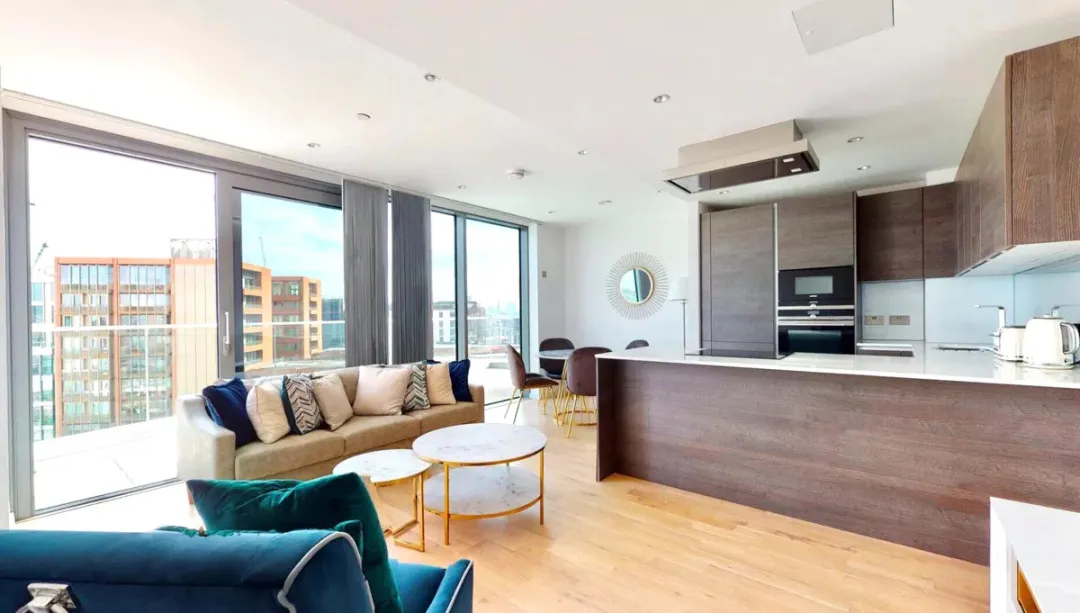
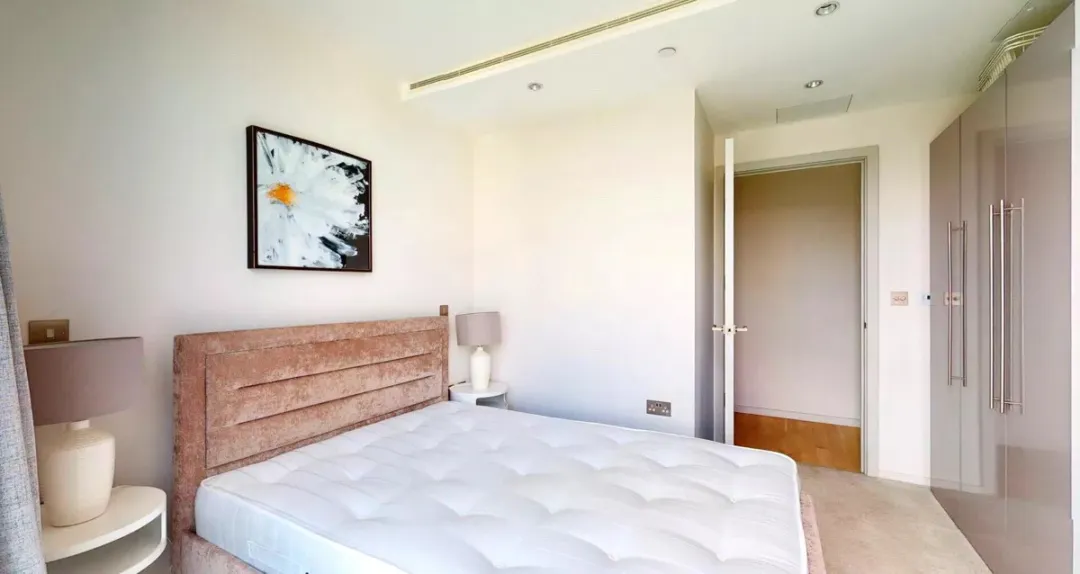
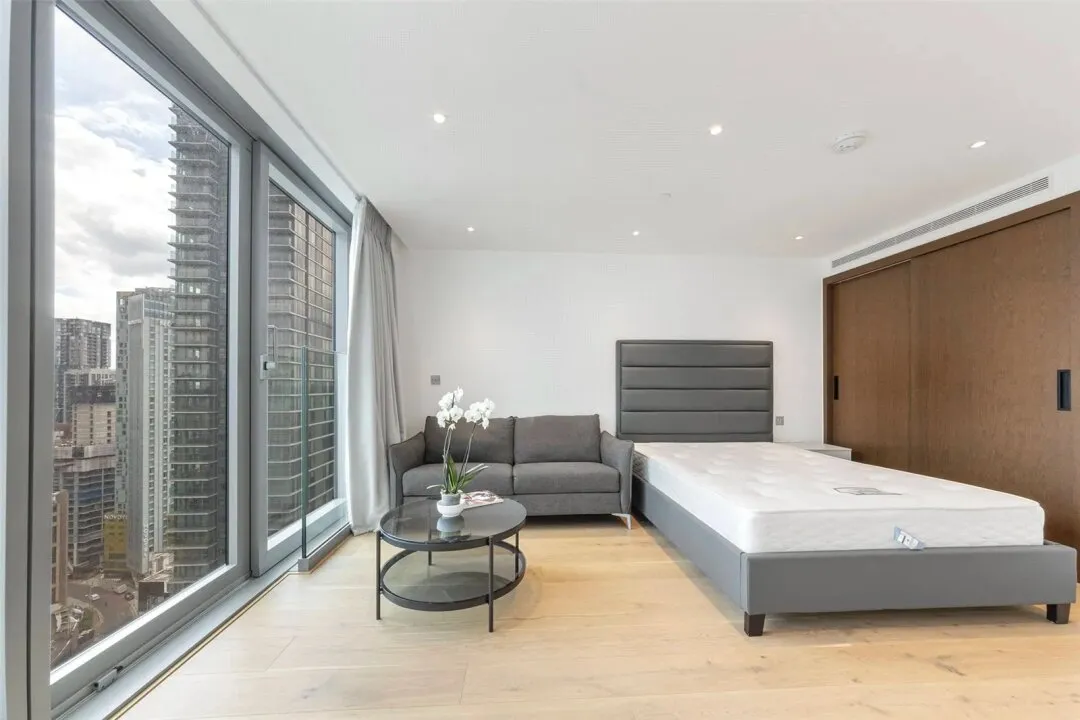
3. **Studio:** A studio offers a private bathroom and kitchen, suitable for students who prefer living alone. Tara strongly recommends living in a studio as it's fantastic to have your own kitchen and washing machine. Outside London, prices range from approximately £180 to £250 per week.
*Advantages:* Large fridge, suitable for students who like to stock up on food.
*Disadvantages:* Expensive (our disadvantage, not its).
4. **House:** A regular residential house with ample space and freedom. However, bills are not included, and managing payments may be troublesome. It's crucial to find suitable housemates! Prices are not significantly different from ensuite or studio.
*Advantages:* Living in a community, experiencing local culture, socializing with neighbors, and gardening.
*Disadvantages:* Managing bills and apartment maintenance/cleaning can be challenging.
#London Housing Recommendations# Studying in the UK# UK Travel# UK International Students# UK Visa# Travel# Renting Guide
2023-04-19 10:31:07
Recommended note





Item 1 of 8
Recommended housing


£355From /week

£305From /week

£399From /week

£375From /week
£269From /week
£422From /week

£286From /week

£269From /week


Payment methods


 WhatsApp
  WeChat
  +44 07421148173
  info@awehome.com
 © 2026 Awehome, Inc. All rights reserved.

