




Item 1 of 4
1 / 4

Awehome
Consultant will contact you later
Birmingham bankruptcy, the biggest joke in the news this year? 😅
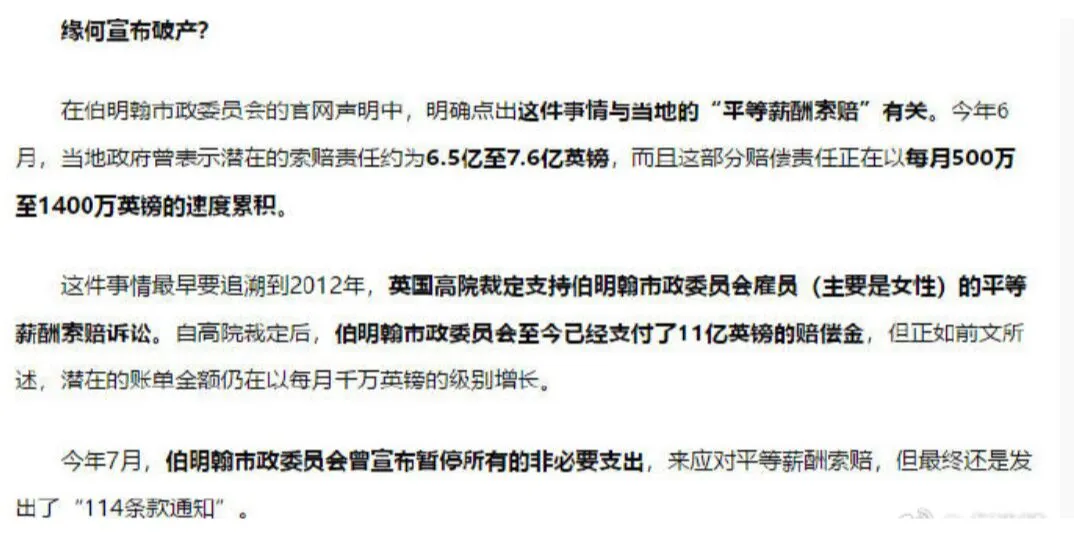
Last month, I heard about Birmingham going bankrupt, but didn't pay much attention at the time. During the holidays, I was idle at home and decided to look into it. Turns out, Birmingham's bankruptcy isn't exactly about being broke; it's more like a protest against political correctness. [Petrified R]
The root cause of the issue is the gender pay gap. Several female workers in the Birmingham area complained about gender discrimination in wages, with male employees in the same positions earning more. In 2012, the UK Supreme Court ruled that the city discriminated against female employees in terms of pay, supporting the claims of female workers.
As a result, Birmingham has been paying out £1.1 billion in equal pay compensation over the past decade, accumulating at a rate of £5 to £14 million per month.
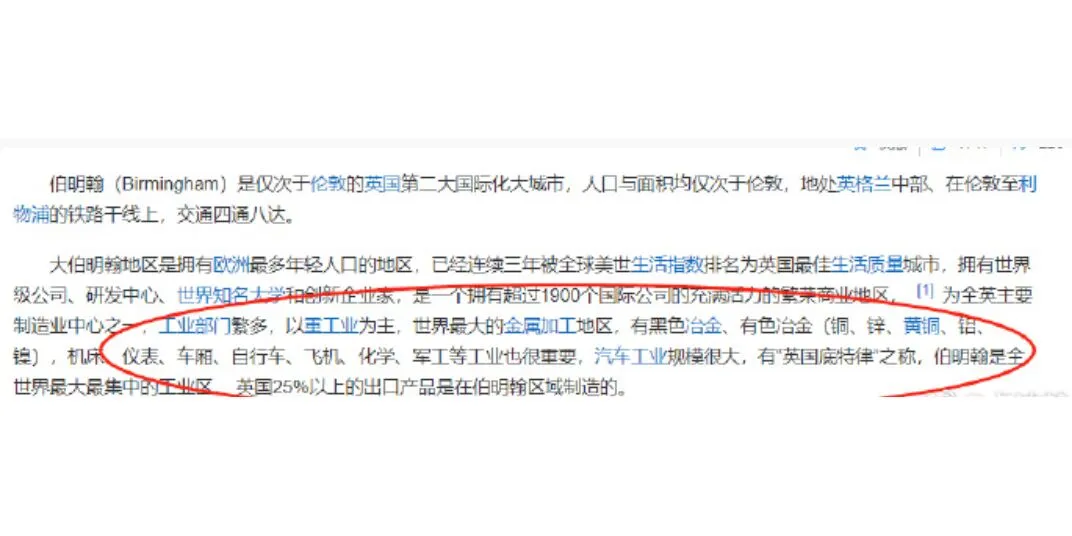
Now, you might wonder, is the Birmingham government foolish? If there's a gender pay gap, why not just give female workers a raise? Isn't that common sense? Well, the issue is that Birmingham is an industrial city, and the principle of 'more work, more pay' is untouchable. Workers only understand one thing: if I work more on the night shift, I should earn more.
But there's a law in the UK: the "Protection of Women, Young Persons and Children" clause. For a long time, it was illegal to make women work night shifts or overtime in mines.
Interestingly, the prohibition on women working night shifts or overtime was proposed by progressives, not traditionalists. The worker's assembly unanimously agreed that making women work night shifts or overtime was not humane. [Eating melon R]
So, the essence of the Birmingham situation is this: gender pay equality is politically correct, and the UK Supreme Court cannot deny it. On the other hand, it's socially correct not to make women work night shifts. If men working night shifts and doing more labor is the consensus among local manufacturing workers, that's a factual correctness.
Each option is correct individually, but when you put them together, it creates a bug.
When they say, "Rejected continued payment of equal pay claims but assured citizens that core functions will continue to operate," what does it mean?
It means they have the money but don't want to acknowledge those claims. So, someone might ask, is there a possibility of arranging day shifts and office work for female employees and night shifts with strenuous physical work for male employees, but both receiving the same pay?
In theory, it's unlikely to happen in the real world.
#Birmingham government bankruptcy# Birmingham# Birmingham life# studying abroad in Birmingham
2023-10-13 17:05:01
Recommended note








Item 1 of 8
Recommended housing


£304From /week

£220From /week


£235From /week

£199From /week
£182From /week

£152From /week

£199From /week
£219From /week


Payment methods


 WhatsApp
  WeChat
  +44 07421148173
  info@awehome.com
 © 2026 Awehome, Inc. All rights reserved.

