



Item 1 of 1
1 / 1

Awehome
Consultant will contact you later
I only spent 50,000 RMB for studying in the UK, actually studying abroad is not expensive.
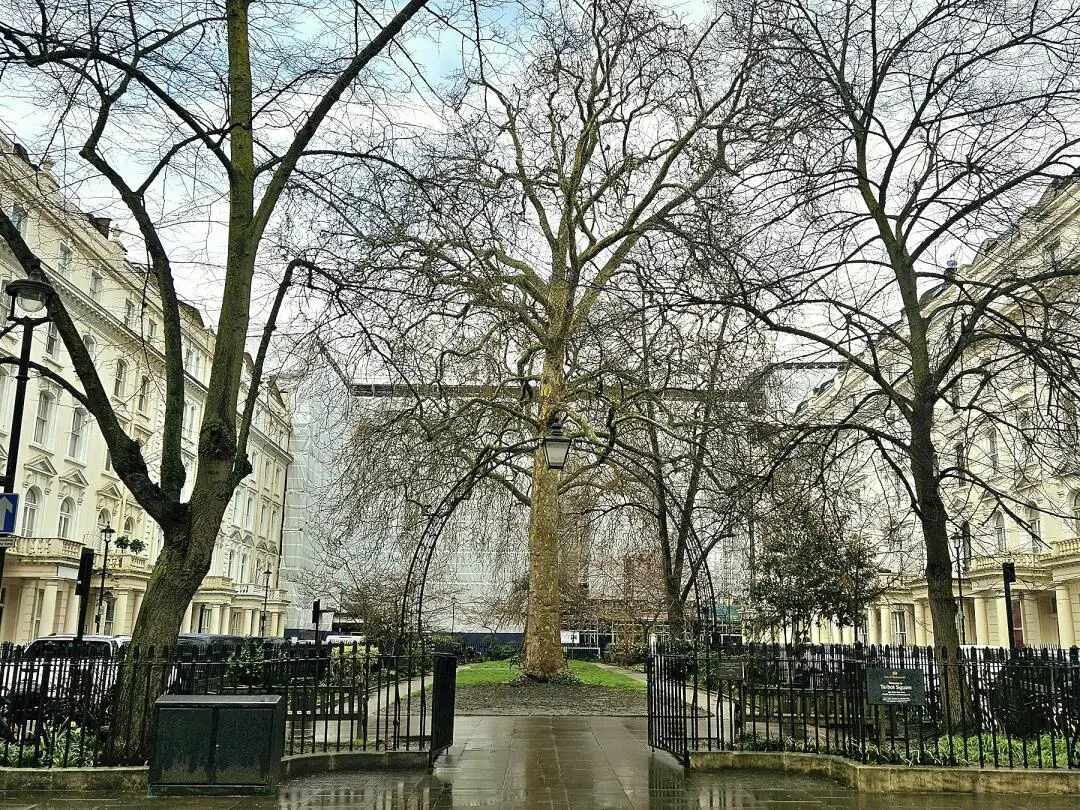
First, let me explain that my family belongs to an ordinary low-income working-class background. We are not wealthy. My parents support my decision to study abroad because they believe that knowledge and exposure can change one's destiny. However, we don't have much money, so initially my parents managed to gather 30,000 RMB to cover all my study expenses. I have always been fascinated by the aristocratic atmosphere of the UK, so I decided to plan carefully and make the most of this 30,000 RMB to fulfill my study abroad dream and change my life.
1⃣️ Regarding IELTS: First and foremost, language proficiency is crucial. I self-studied for the IELTS exam and obtained study materials shared by senior students who had already taken the test. The most important aspect of the IELTS is vocabulary, so I practiced for two months and learned over 2000 words. I registered for the exam once and achieved a score of 4, which was enough to meet the requirements.
2⃣️ Regarding the application process: I chose to do it myself (DIY). There are many online tutorials available, so if you don't mind putting in the effort, you can search for information and apply on your own. I only had to pay application fees, which amounted to around 1000 RMB for five universities.
3⃣️ Regarding transportation: Airfare was too expensive for me, so I read many guides on Xiaohongshu (a Chinese social media platform) and finally chose the safest and most affordable method: walking. I walked approximately 1000 kilometers, covering around ten kilometers per day. Crossing the strait was a bit troublesome, but I bought a glow-in-the-dark swimsuit for 100 RMB, allowing me to swim only five kilometers per day. Fortunately, one night, a cruise ship mistook me for a glowing mermaid and rescued me, providing a convenient passage to the UK. Moreover, my application process and walking journey were perfectly synchronized, so as soon as I arrived in London, I received an offer from UCL (University College London). I was truly fortunate.
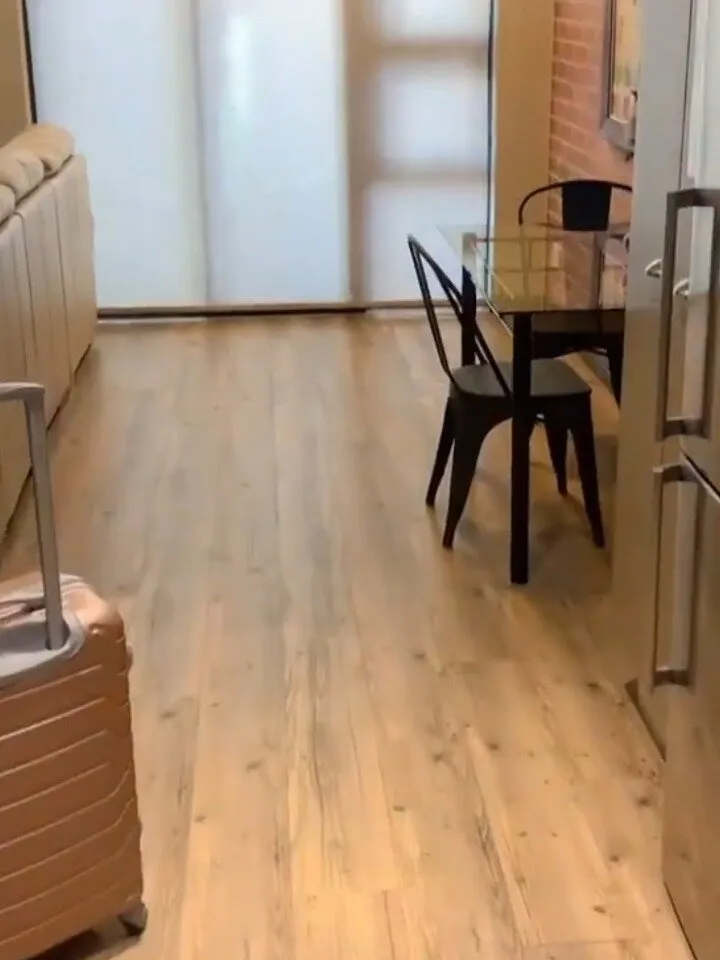
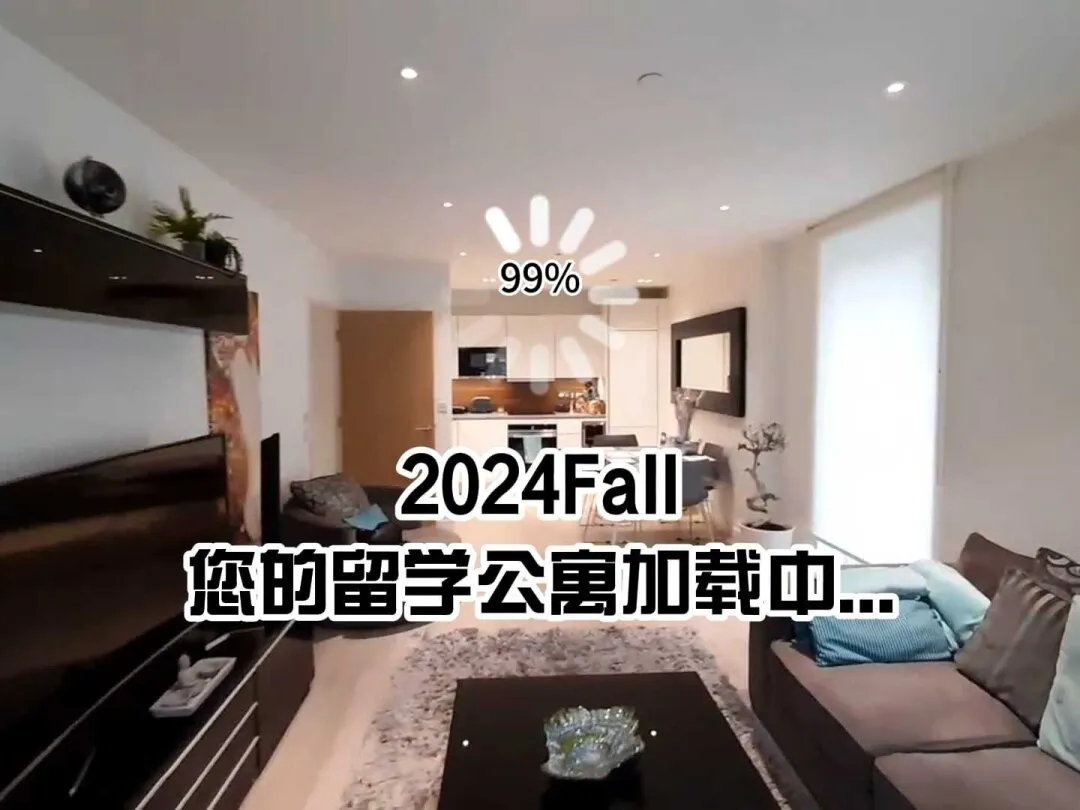
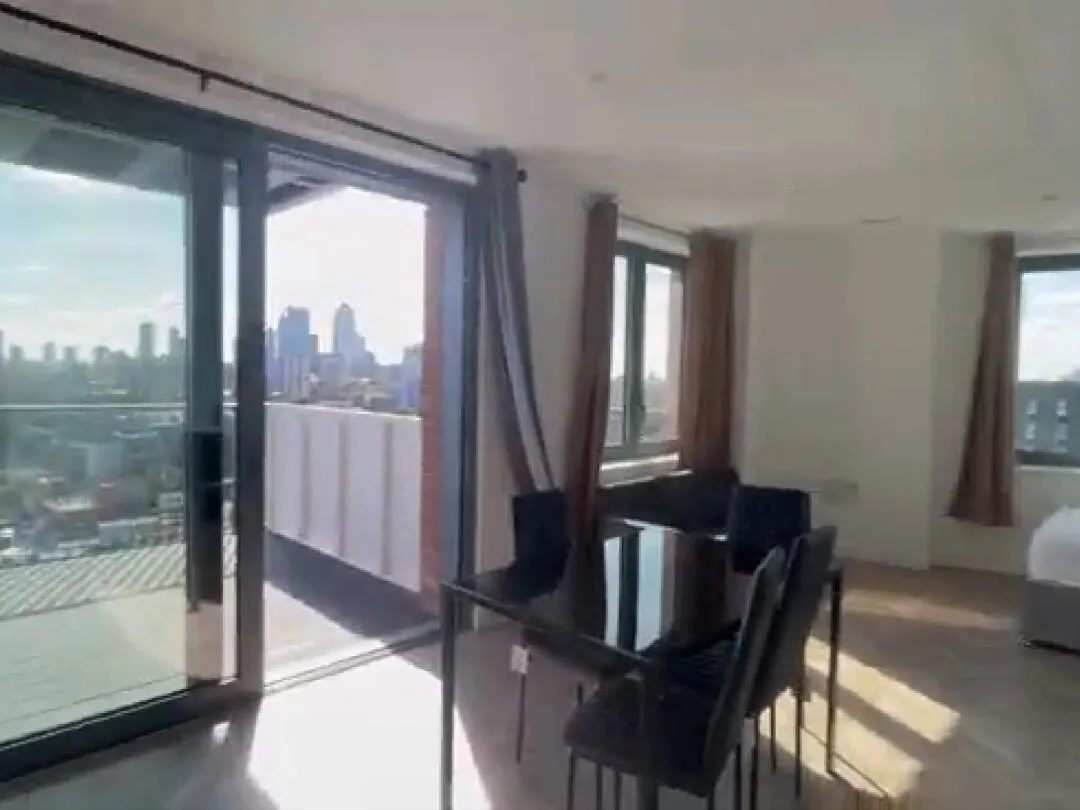
4⃣️ Accommodation and daily life: The budget for accommodation was definitely not enough, so I opted for a more comfortable and economical method: living under a bridge. I felt that it was similar to having an ensuite room, and I also made many interesting friends. As for meals, I usually went to a Chinese supermarket or checked the trash bins of restaurants to find slightly expired food. It would only last me a few days, but it also helped me lose weight, so it seemed like a worthwhile trade-off. For bathing, I usually joined my friends in swimming in the River Thames. It allowed me to clean myself while also exercising, killing two birds with one stone. As for clothes, I would pick them from the trash bins of student apartments or donation bins. I would go once a week, and every week I would have new clothes to wear. It was truly fantastic.
5⃣️ Tuition fees: I know everyone is most concerned about tuition fees. I was incredibly lucky in this regard. While swimming in the Thames, I discovered a mutated platypus. Knowing how much the British love ducks, I came up with a plan to catch it and deliver it to a biological research institute. This earned me a substantial amount of money. With that money, I took a trip to the Egyptian pyramids, stole a mummy, and donated it to the British Museum. This resulted in another large sum of money. Coincidentally, I am studying biological engineering, and when the university president heard about my achievements, he waived my tuition fees and awarded me a full scholarship. During my time at the university, I conducted research on the mummy I brought back to life, which earned me numerous additional awards. When I returned to China, I also brought back around 1 million RMB. I invested the rest of the money in UK real estate.
I hope my experience can provide everyone with some money-saving ideas.
#Studying abroad# studying in the UK# my study abroad life# things about studying abroad
2023-04-22 17:05:56
Recommended note


Item 1 of 8
Recommended housing
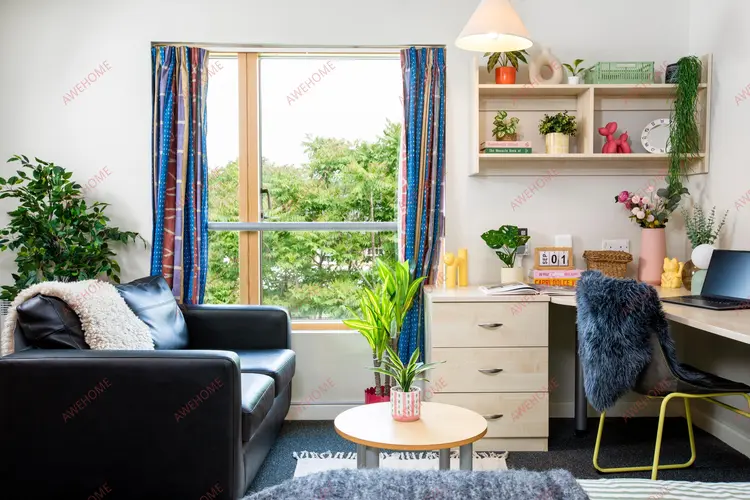


£355From /week

£305From /week

£399From /week
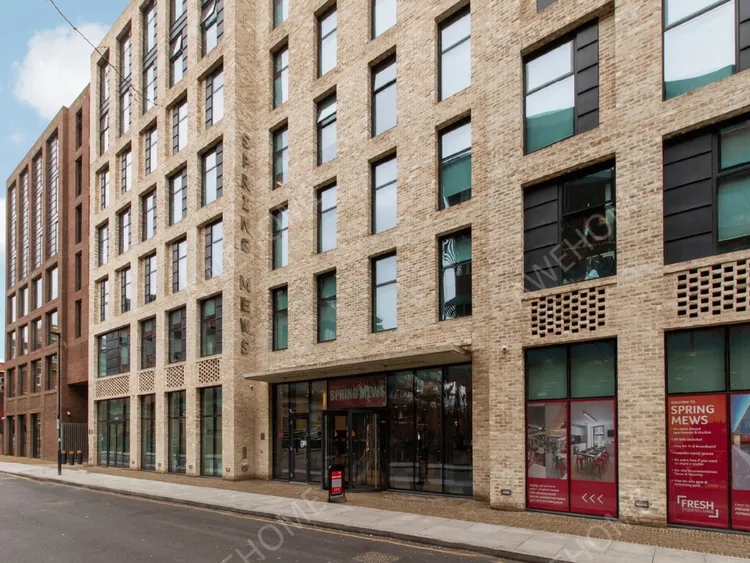

£375From /week
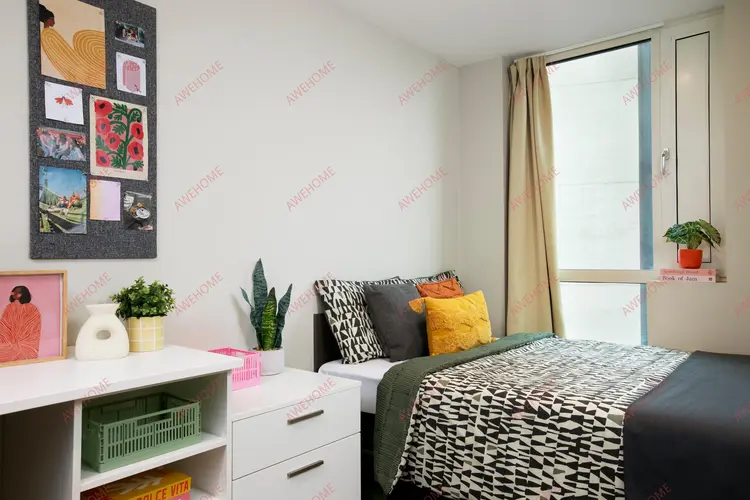
£269From /week
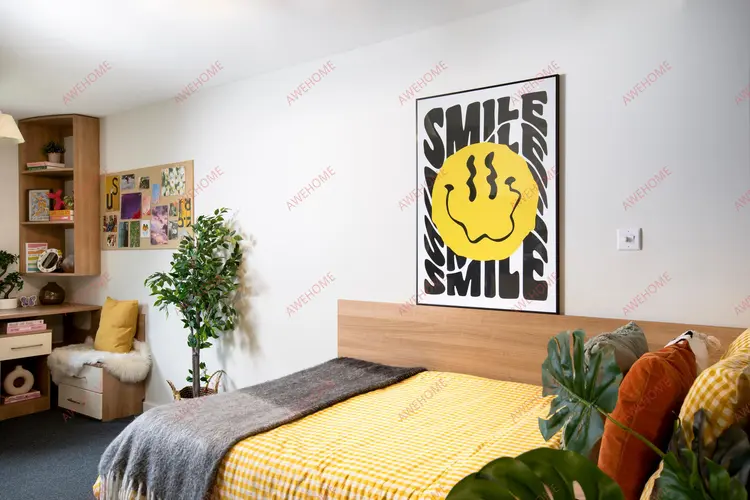
£422From /week

£286From /week

£269From /week


Payment methods


 WhatsApp
  WeChat
  +44 07421148173
  info@awehome.com
 © 2026 Awehome, Inc. All rights reserved.

